Play Isn't the Opposite of Learning
“Play-based learning” is one of the most commonly used and least understood phrases in early childhood education. It doesn't mean unstructured time with no learning value. It means using play as a main way children build skills, with a teacher guiding it on purpose.
What It Looks Like in Practice
Children choose, teachers extend
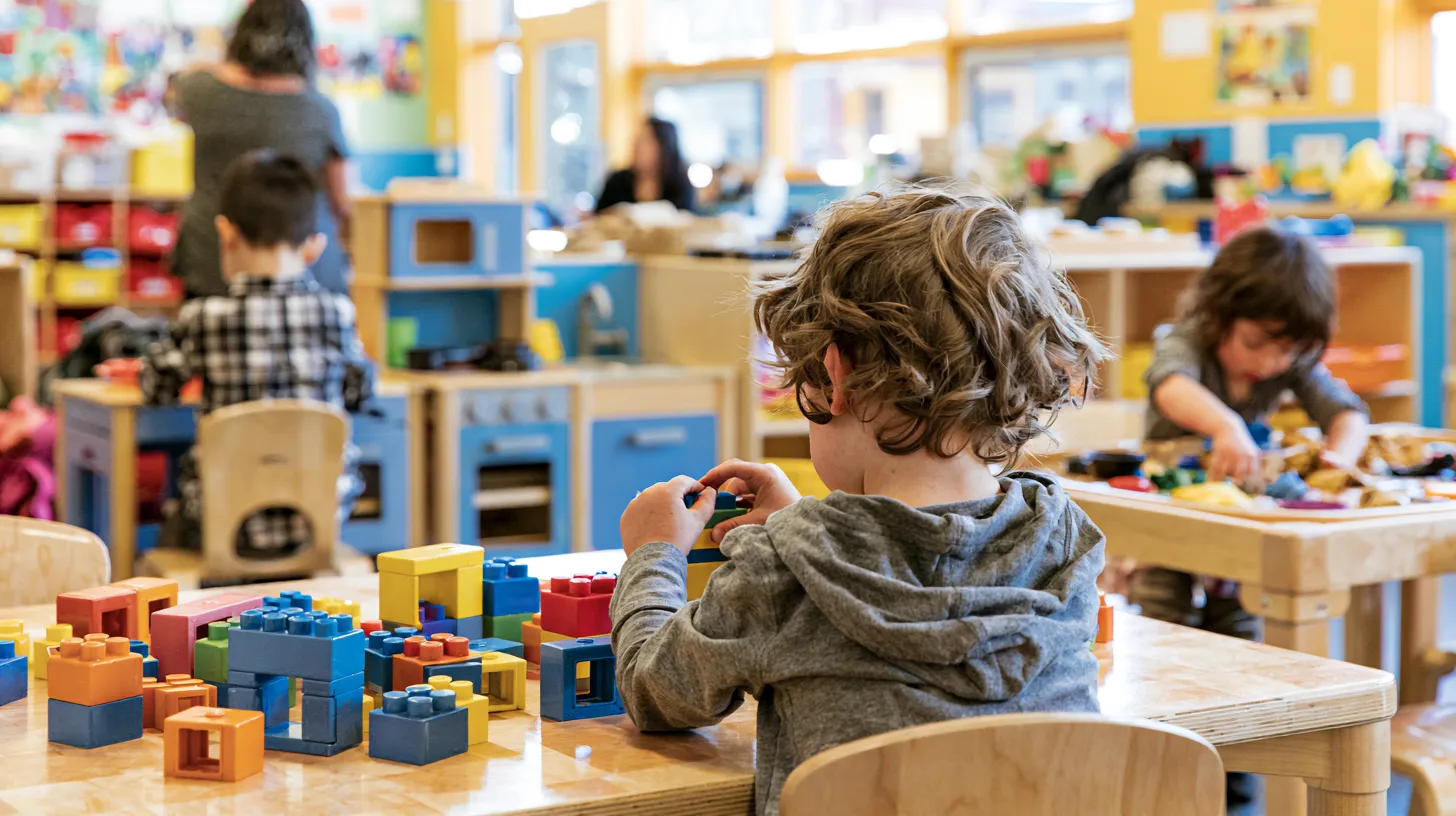
A child builds a block tower and a teacher asks, “What happens if you make it taller?” or “Why do you think it fell?” That brings in prediction, cause and effect, and problem-solving language without anyone calling it a lesson.
Academic skills built in, not bolted on
Counting blocks, naming colors during art, sorting shells by size and describing the order of a story in pretend play are all early math, language and literacy skills practiced in a context that makes sense to a young child.
Social skills practiced constantly
Negotiating who gets the red truck, taking turns on a slide and building something together give children real, repeated practice in cooperating and resolving small conflicts.
What Separates Strong Programs From Weak Ones
The difference isn't whether children are playing. It's what the teacher is doing while they play. In a strong program, teachers observe, ask open-ended questions and gently extend play toward new skills. In a weak one, adults mostly supervise.
Common Misconceptions
- “Play-based means no structure.” Good programs still have predictable routines and clear expectations. The structure surrounds the play.
- “Play-based children won't be ready for kindergarten.” A strong program builds the social, emotional and early academic foundations kindergarten relies on. Ask any school how it prepares children for the next step.
- “Play-based is only for creative kids.” It can suit many temperaments, though children who crave structure may do well with a more blended approach.
What to Look for on a Visit
- Do children choose among activities and materials?
- Do teachers ask open-ended questions rather than only giving instructions?
- Can the teacher describe what individual children are working on?
- Is outdoor and active play part of the day?
Learning Centers at MarinaView
MarinaView describes itself as a healthy balance of academic and developmental learning. Our curriculum includes Learning Centers for math, art, reading, blocks, manipulatives, social studies and literature, along with art, music and movement. You can see the ages and details for each program on our programs page, read more on our FAQ, or schedule a visit to see the classrooms in action.